Warren noted that he rarely used the Widgets panel or Microsoft Teams, citing that he preferred the weather display that later versions of Windows 10 offered, and didn't use Teams to communicate with his friends and family. He also acknowledged the expansion of Microsoft Store to include more "traditional" desktop applications. Overall, he concluded that "I wouldn't rush out to upgrade to Windows 11, but I also wouldn't avoid it. After all, Windows 11 still feels familiar and underneath all the UI changes, it's the same Windows we've had for decades." If your existing Windows 10 PC is running Windows 10 20H1 or later and meets the minimum hardware specificationsit will be able to upgrade to Windows 11. The upgrade rollout plan is still being finalized, but for most devices already in use today, we expect it to be ready sometime in early 2022. Not all Windows 10 PCs that are eligible to upgrade will be offered to upgrade at the same time.

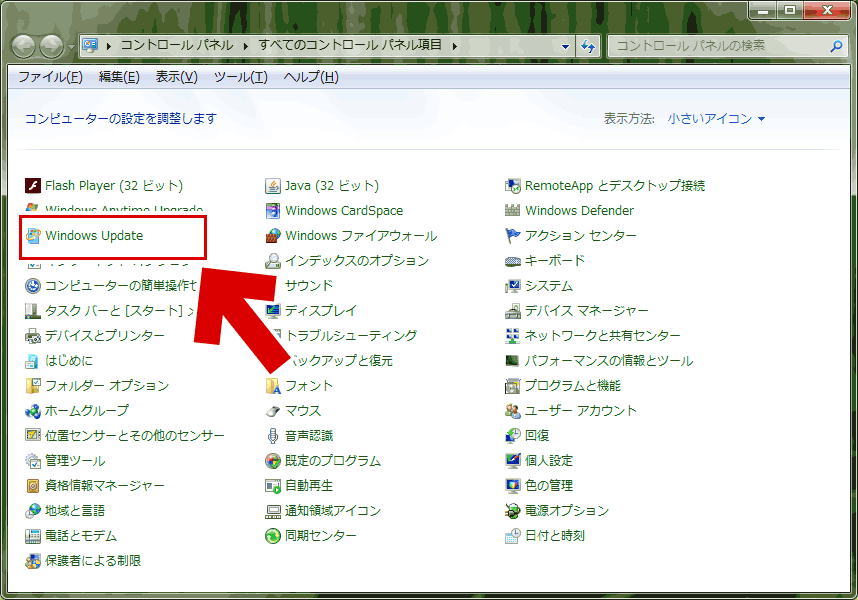
To see if your PC is eligible to upgrade, refer to our knowledge base for a list of tested systems. Once the upgrade rollout has started, you can check if it is ready for your device by going to Settings/Windows Updates. Similar to how end users are notified when updates are available in Windows 10, end users will see an indication in the notification areas of the taskbar in the bottom right, that the upgrade is available. More information on how that is presented will be available at a later date. Additional desktop notification options may be also be added at a later date. If your existing Windows 10 PC is running Windows 10 20H1 or later and meets the minimum hardware specifications it will be able to upgrade to Windows 11.
To see if your PC is eligible to upgrade, refer to the specifications here. Cunningham concluded that "as I've dug into and learned its ins and outs for this review, I've warmed to it more", but argued that the OS was facing similar "public perception" issues to Windows Vista and Windows 8. Internet Explorer has been replaced by the Chromium-based Microsoft Edge as the default web browser, and Microsoft Teams is integrated into the Windows shell. Microsoft also announced plans to allow more flexibility in software that can be distributed via Microsoft Store, and to support Android apps on Windows 11 .
In October 2019, Microsoft announced "Windows 10X", a future edition of Windows 10 designed exclusively for dual-touchscreen devices such as the then-upcoming Surface Neo. Legacy Windows applications would also be required to run in "containers" to ensure performance and power optimization. Microsoft stated that it planned to release Windows 10X devices by the end of 2020. Windows 11, unfortunately, ditches a couple of its best tablet- and touch-friendly features. Most importantly, you can no longer swipe in from the left to open the task-switching view, a gesture I use all the time on my Surface Go tablet.

You can no longer swipe down from the top to close an app, either. This omission is less of a big deal because you can still hit the X in the window's upper right corner as you'd do in desktop mode. Again, though, for a handheld device, the down-swipe is more direct and requires less dexterity. There are, however, new three-finger swipe gestures to show the Task View and to minimize and app on the desktop.

Microsoft Windows 11 Upgrade Price A sideways three-finger swipe switches you between running apps. And you can, of course, use the Task View button in the Taskbar, but that's not as immediate as a swipe of the thumb. I'd argue that switching tasks is more important to tablet users than accessing Widgets, the new result of that gesture, too. A redesigned user interface is present frequently throughout the operating system, building upon Fluent Design System; translucency, shadows, a new color palette, and rounded geometry are prevalent throughout the UI.

File Explorer is a good example of Windows 11's new look, particularly its updated left panel controls and folder icons. Note the simplified ribbon along the top, which is far less busy and distracting than the previous File Explorer's. The New button at the top left works for new folders or documents supported by your apps, and the same viewing options for files are available.
The overflow menu offers file compression, selection, and Properties options, as well as the old Folder Options dialog. The right-click context menus, which have grown longer and longer over the years, get shorter, smarter, and clearer in Windows 11. Anyone with one of the newer chips should have no trouble installing Windows 11 via Windows Update.

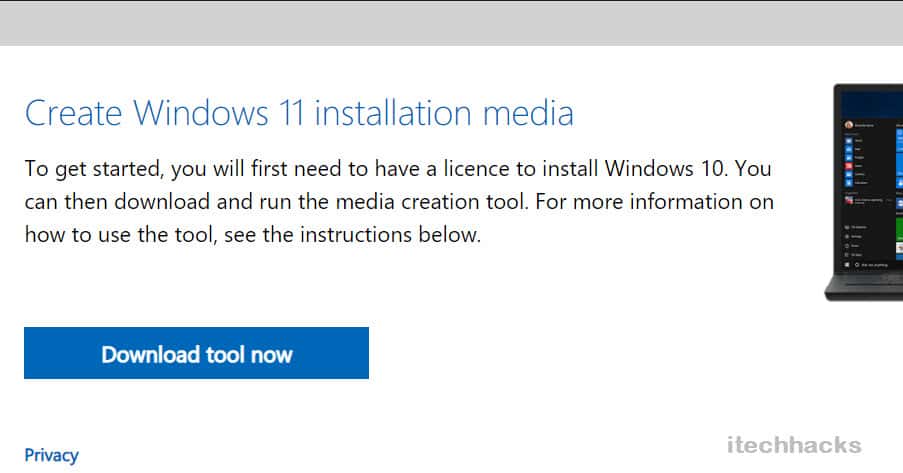
Microsoft made a downloadable ISO disk image file for the beta Insider version available for installing Windows 11, allowing in-place upgrades or clean installations on a PC or in a virtual machine. A similar installation option is now available for the release version of Windows 11 via the Microsoft's Download Windows 11 page. Some sources have reported that installing the OS with the ISO installer bypasses the system's hardware requirements, but that's not advisable as you may not get future OS updates if you install it on unsupported hardware. Original equipment manufacturers can still ship computers without a TPM 2.0 coprocessor upon Microsoft's approval. Some third-party software may refuse to run on unsupported configurations of Windows 11. Perhaps the most important thing to know about the release of Windows 11 is that we should expect it to change significantly over the next few years.
I've been using beta versions of Windows 11 for a month in the lead-up to writing this review, and it seems like every few days there's a minor new feature or redesigned app to check out. We may not see that feature fully realized in Windows until next year. If the Microsoft Surface family of products isn't your style though, other brands like Dell, Asus and HP have all released pages online that specify what devices are Windows 11 ready. Note that many won't come with the new operating system installed, but as they all meet the minimum system requirements, you can simply buy the laptop or 2-in-1 as normal and then update it yourself. Make sure that you check the installed version in the information window of the operating system. All the Windows 10 users cannot download and install the updates at the same time.

The updates are released part by part so as to reduce problems during the update process. The company has put a lot of focus on the design of its new Windows. In the new Windows 11, a new start menu has been changed without live tiles. The start menu is different from before and icons have also been given in it.

This time the company has also added a recommended section in it. A new position has been given to the taskbar icon which has now been shifted to the centre. Along with this, Windows Hello has also been given a new look. Minor complaints aside, we like to see Microsoft giving its marquee software some attention.

For the last few years, the company has focused more on its Azure cloud computing services—justifiably given that business's profitability. Windows 11 brings slick new looks, useful new tools, updated default apps, extra capabilities, and performance advances. Perhaps that's enough to lure away some Chrome OS users or Mac users. Regardless, it's still early days for the desktop OS that's used on 1.3 billion PCs, so we look forward to Microsoft fine-tuning and perfecting Windows 11's design in future updates. Pinned app buttons (they're larger than icons but smaller than Windows 10's tiles) are at the top of its panel. Recent and frequent apps and documents are in a section below them.
The Start menu's new mini-tiles are still good for touch input, but you lose info that live tiles offer, annoying as those could sometimes be. Another quibble I have with the new Start menu is that it's harder to get to the All Apps view than in Windows 10. With that version of Windows, you can see all installed apps as soon as you open the Start menu; they're in a list on the left while tiles for your pinned apps are on the right. Windows 11 SE was announced on November 9, 2021, as an edition exclusively for low-end devices sold in the education market, and a successor to Windows 10 S. It is bundled with applications such as Microsoft Office for Microsoft 365, Minecraft Education Edition, and Flipgrid, while OneDrive is used to save files by default. Windows 11 SE does not include Microsoft Store; third-party software is provisioned or installed by administrators.

In January 2021, it was reported that a job listing referring to a "sweeping visual rejuvenation of Windows" had been posted by Microsoft. A visual refresh for Windows, developed under the codename "Sun Valley", was reportedly set to re-design the system's user interface. Microsoft continues to test new features and improvements after Windows 11 was released. It only tests the latest version of Windows with members who participate in the Windows Insider Program in the Dev, Beta and Release Preview channels.
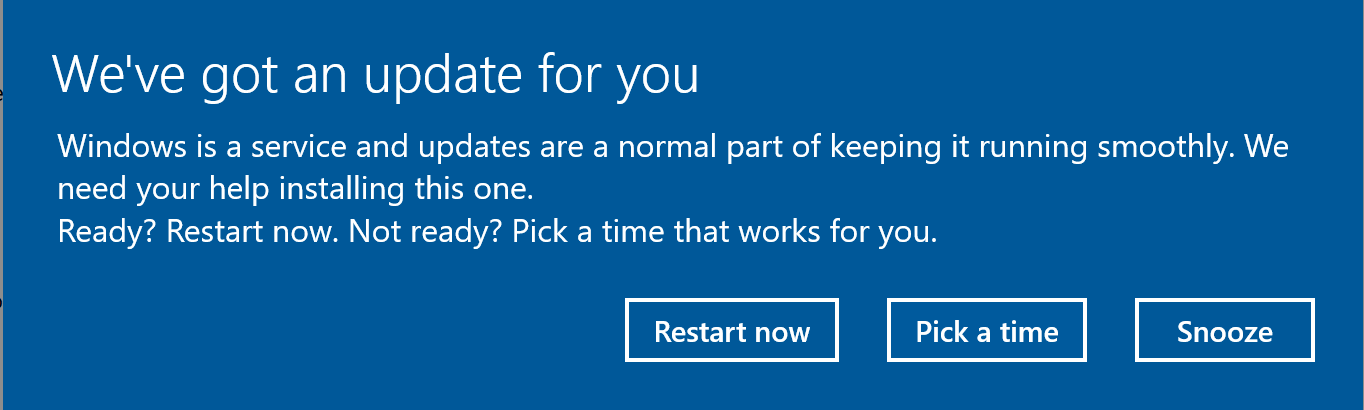
The Beta and Release Preview channels offer admins and users a sneak peek at the end of the month of non-security updates that will arrive in the Patch Tuesday update, which falls on the second Tuesday of every month. 12 Windows 11 system requirements13 How to install Windows 1114 Windows 11 launch date15 F.A.Q. Microsoft has launched its much-awaited Windows 11 after six years in an online event. The company called Windows 11 'next-generation' of Windows due to an extensive change in its design as compared to its predecessor.
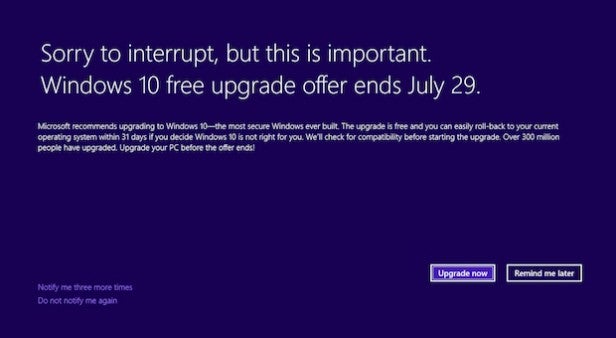
Microsoft has finally officially unveiled its new Windows 11 with better organized features and new UI in the design of its next generation operating system in a big event on June 24. The company has updated centrally placed Start menu, upgraded widgets, and changed all-new boot screen and start-up sound. At least 16GB of RAM The basic system requirements of Windows 11 differ significantly from Windows 10. Windows 11 only supports 64-bit systems such as those using an x86-64 or ARM64 processor; IA-32 processors are no longer supported. Thus, Windows 11 is the first ever consumer version of Windows not to support 32-bit processors and 16-bit software . The minimum RAM and storage requirements were also increased; Windows 11 now requires at least 4GB of RAM and 64GB of storage.

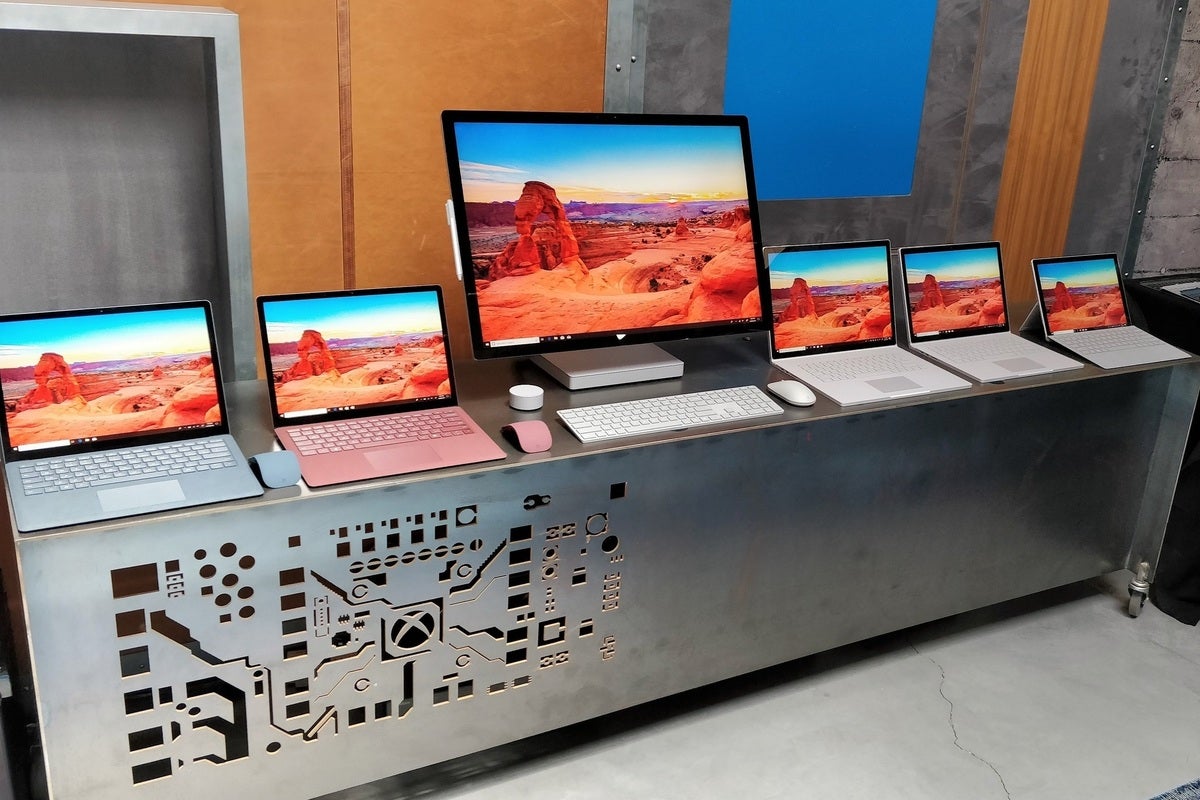
The compatibility list includes the Intel Core i7-7820HQ, a seventh-generation processor used by the Surface Studio 2, although only on devices that shipped with DCH-based drivers. As part of the minimum system requirements, Windows 11 only runs on devices with a Trusted Platform Module 2.0 security coprocessor. According to Microsoft, the TPM 2.0 coprocessor is a "critical building block" for protection against firmware and hardware attacks. In addition, Microsoft now requires devices with Windows 11 to include virtualization-based security , hypervisor-protected code integrity , and Secure Boot built-in and enabled by default. The operating system also features hardware-enforced stack protection for supported Intel and AMD processors for protection against zero-day exploits.

Task View, a feature introduced in Windows 10, features a refreshed design, and supports giving separate wallpapers to each virtual desktop. When a display is disconnected in a multi-monitor configuration, the windows that were previously on that display will be minimized rather than automatically moved to the main display. If the same display is reconnected, the windows are restored to their prior location. The taskbar's buttons are center-aligned by default, and it is permanently pinned to the bottom edge of the screen; it cannot be moved to the top, left, or right edges of the screen as in previous versions of Windows. The "Widgets" button on the taskbar displays a panel with Microsoft Start, a news aggregator with personalized stories and content (expanding upon the "news and interests" panel introduced in later builds of Windows 10). Microsoft Teams is similarly integrated with the taskbar, with a pop-up showing a list of recent conversations.

You can use the PC Health Check app to determine if your device is eligible to upgrade to New Windows. Many PCs that are less than four years old will be able to upgrade to New Windows. They must be running the most current version of Windows 10 and meet the minimum hardware requirements. We've simplified the design and user experience to empower your productivity and inspire your creativity.

From the new Start button and taskbar to each sound, font and icon, everything was done intentionally to put you in control and bring a sense of calm and ease. We put Start at the center and made it easier to quickly find what you need. Start utilizes the power of the cloud and Microsoft 365 to show you your recent files no matter what platform or device you were viewing them on earlier, even if it was on an Android or iOS device. Windows Widgets are back in Windows 11, accessible via the dock, with Microsoft touting AI-powered dynamic features that enable widgets, as with the Start menu, to change depending on the apps you're using and the time of day.
On the touchscreen, you can slide from the left on the desktop to have widgets appear. On my Lenovo ThinkPad laptop, I was able to easily flip from TPM 1.2 to 2.0 by booting into the bios, finding the section in the bios settings — usually in security — and then changing the setting from TPM 1.2 to 2.0. For my HP desktop at the office, the process was a bit more complicated, as I had to find the exact firmware update to upgrade the computer from TPM 1.2 to 2.0.

I originally attempted to use HP's TPM Configuration Utility but found a more exact match for my motherboard by reading this HP support document. For Dell, you can follow the company's documentation or YouTube video. If it's been done successfully, your TPM module will now indicate that you've upgraded from 1.2 to 2.0. I still think next version of windows will be better and I only care about what I can run on it so I don't care much about UIs and stuff like that like some people do and make drama about. Microsoft is also yet to clear the air on the minimum hardware requirements front and who all would receive Windows 11 as a free upgrade. The company did indicate that the new Windows experience will be available as a software update to people who have some of the latest top-end laptops.

Windows 11 debuted last week as Microsoft's next-generation operating system. The new Windows version brings a revamped interface as well as a list of changes over Windows 10, including a centrally aligned Start menu and new startup sounds. Windows 11 also brings enhancements with multitasking and PC gaming. Further, the latest Windows OS comes with the updated Microsoft Store that has a lot of underlying changes — including access to Android apps. Windows 11 also carries new wallpapers, animation effects, and sounds to deliver a fresh experience.
If your PC sits more towards those minimum specifications, you'll get a lesser feature set and performance bump. You will get the benefit of longer rolling security updates, but it may be worth sticking with Windows 10 through the rest of your PC's service life before upgrading to a new PC. That new PC will almost inevitably come with Windows 11 pre-installed and fully supported anyway.

Talking about the new features given in Windows 11, the company has tried to make connectivity better than before. Many tools have been given to make multitasking easier and better in Windows 11. It has a special Snap layout which is designed for multitasking and with the help of this users can access multiple windows simultaneously on one screen.

Apart from this, the Snap group feature has been given where users will get a collection of apps which can be accessed from the taskbar. The company claims that such a feature is not present in any other OS. In addition to apps you can get in the Store, you also get all the standard apps like Photos , the FLAC-capable Groove Music player, Voice Recorder, two Paint apps , Mail, Calendar, and so on. We can hope for the last two mentioned to be greatly improved as Windows 11 development progresses.

In the initial release, we still have the existing apps, albeit with rounded corners, but new versions will be based on the excellent Progressive Web App versions of Outlook.com. Microsoft has already teased an updated Paint app (though I've started to enjoy the modern Paint 3D), as well as new versions of Notepad (with a dark mode!) and the Calculator. On the plus side, tablet users get new stylus options and on-screen touch keyboard tricks.

This latest-generation pen buzzes in your hand, for example, when you delete previously written text and when you tap the Back button to open the Whiteboard app. In that app, you can experience the full digital inking experience, which has gotten to the point of feeling exactly like writing with ink. You can, for example, highlight text, write freehand , and sketch diagrams.

The on-screen keyboard supports swipe text entry and offers a healthy selection of emoji and gifs, and it now lets you choose custom backgrounds. Windows still offers multiple virtual desktops, something I find incredibly useful for separating work apps and websites from personal ones. I either hit Ctrl–Windows Key–Arrow to move back and forth between them or the Windows Key–Tab keyboard shortcut to choose one from Task View. With Windows 11, you can now use a four-finger swipe to move back and forth, something Mac users have long enjoyed, though only via trackpad rather than right on the screen. Also new is the ability to set different desktop backgrounds for each desktop. One of the more irksome things about Windows 10 is its inconsistent settings windows and dialogs.


No comments:
Post a Comment
Note: Only a member of this blog may post a comment.